Written by Jennifer Canvasser, Founder and Executive Director of the NEC Society
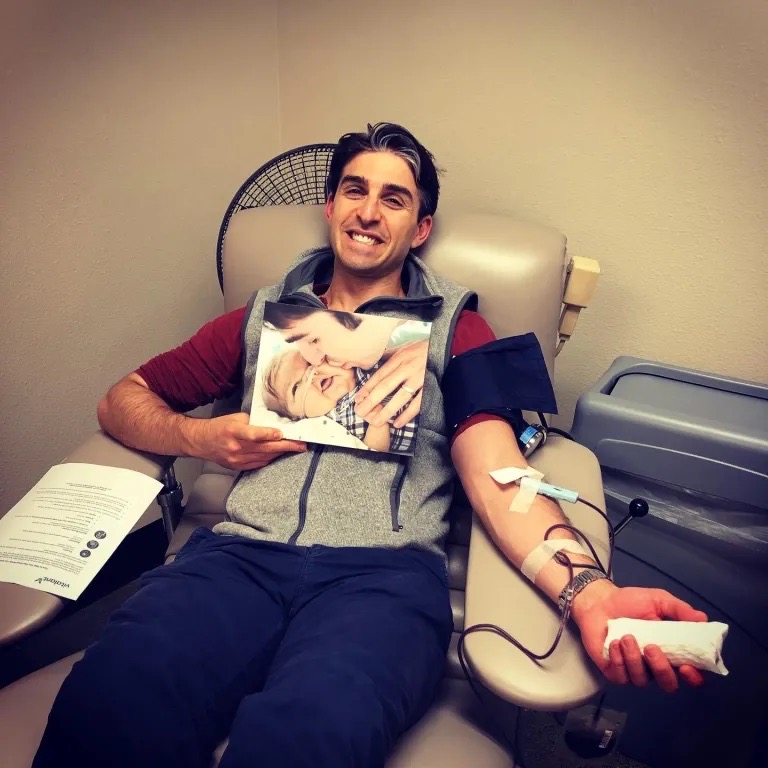
After developing necrotizing enterocolitis (NEC), my son Micah developed end-stage renal disease and received 211 units of blood. Micah would need a kidney transplant to survive, so I organized a team of 13 direct blood donors to optimize Micah’s ability to thrive after his transplant. He received a blood transfusion during every one of his hemodialysis runs.
Micah’s care team explained that the benefits of Micah receiving someone else’s blood outweighed any potential risks. Throughout Micah’s hospitalization, our family witnessed the lifesaving power of blood transfusions. Blood is a profound gift from the heart that touches the heart.
Micah and his twin were born three months prematurely. As I read all I could about NICU babies, I learned that human milk is a lifesaving intervention for premature infants. After Micah developed NEC, I learned that pasteurized donor milk is the next safest option when mother’s milk is unavailable. Yet, at the time, my NICU did not provide access to donor milk. Many NICUs still do not provide donor milk to infants in need, and access is even more limited in communities that have been historically marginalized.
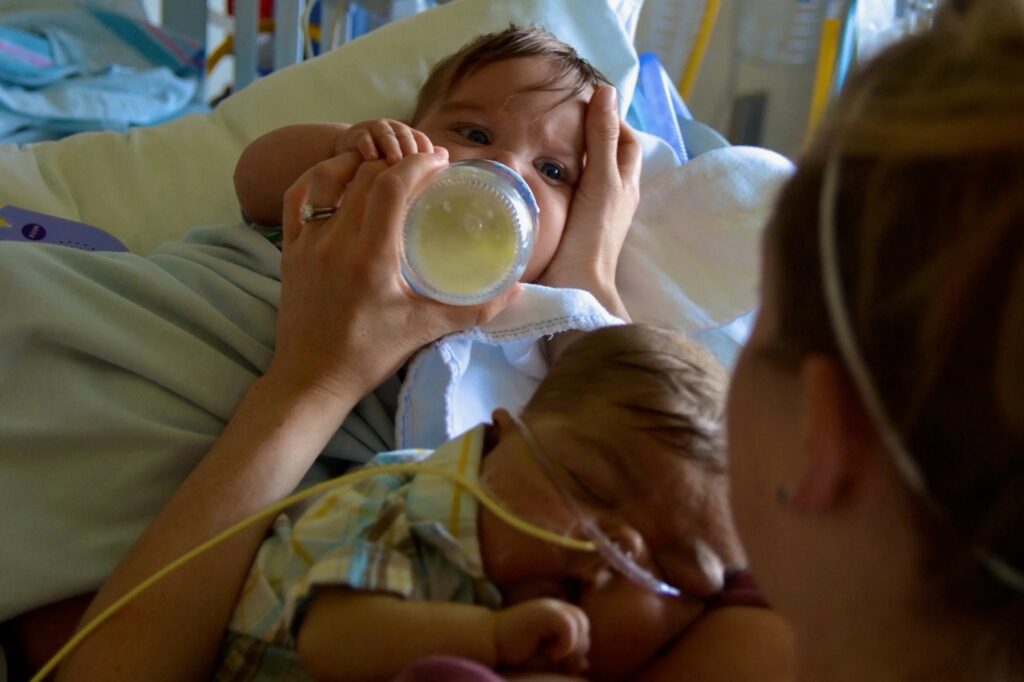
Blood transfusions are routinely provided to premature infants in need. Thankfully, barriers to blood transfusions in the NICU are essentially nonexistent. Donor blood is valued and prioritized as the lifesaving intervention that it is. Yet, equitable access to donor milk is not sufficiently valued or prioritized. This must change.
Some of the most dogged barriers that continue to thwart equitable access to donor milk include:
- Lack of full disclosure to families
- Inadequate value of donor milk as a potentially lifesaving intervention
- Biases, as well as rigid policies and mindsets
- Insufficient coverage, despite the cost benefits
When I gave birth three months prematurely, I sat in the recovery area after my cesarean and begged for a breast pump. I had never even seen a breast pump. I just instinctively knew I had to start making milk for my twins. I was told I needed to wait until I got to my private room.
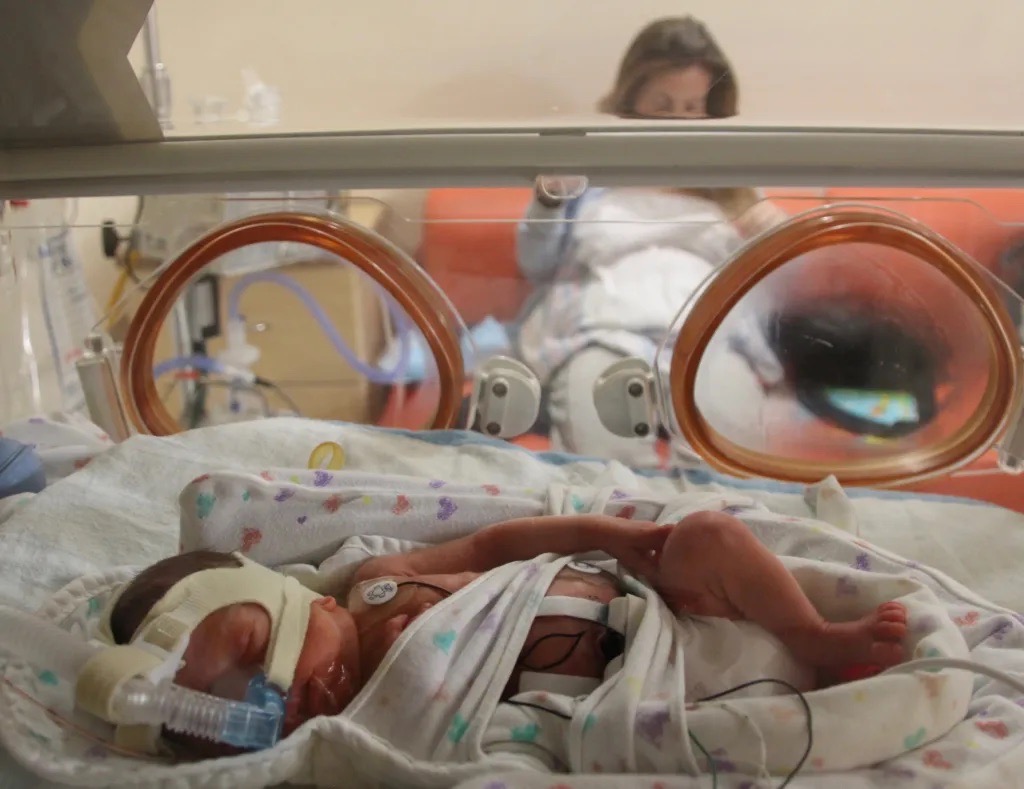
Hours later, I began the routine of pumping for 20 minutes every two hours around the clock. I didn’t make a single drop of milk for over 24 hours. Our care team explained that if my milk didn’t come in, my babies would receive formula. No one told me about pasteurized donor milk. My twins had access to donor blood but not donor milk, even though both interventions can be lifesaving for preemies.
Too often, families are not fully informed. NICUs that do not offer pasteurized donor milk often tell parents they only have two options: mother’s milk or formula. Many families with full-term, healthy infants are also uninformed and do not know their excess milk can be donated to HMBANA milk banks for the most vulnerable infants. Milk banks should be recognized and supported for the essential intervention they provide, just like blood banks.
Despite the 211 units of blood, Micah never received his transplant. He died just before his first birthday from complications of NEC.
It is crucial for babies in need of donor milk to have access – just as babies in need of donor blood have access. Mother’s milk and pasteurized donor milk offer the most protection against NEC. Join the NEC Society in advocating for equitable access to donor milk for all infants by learning more about human milk and NEC and getting involved.