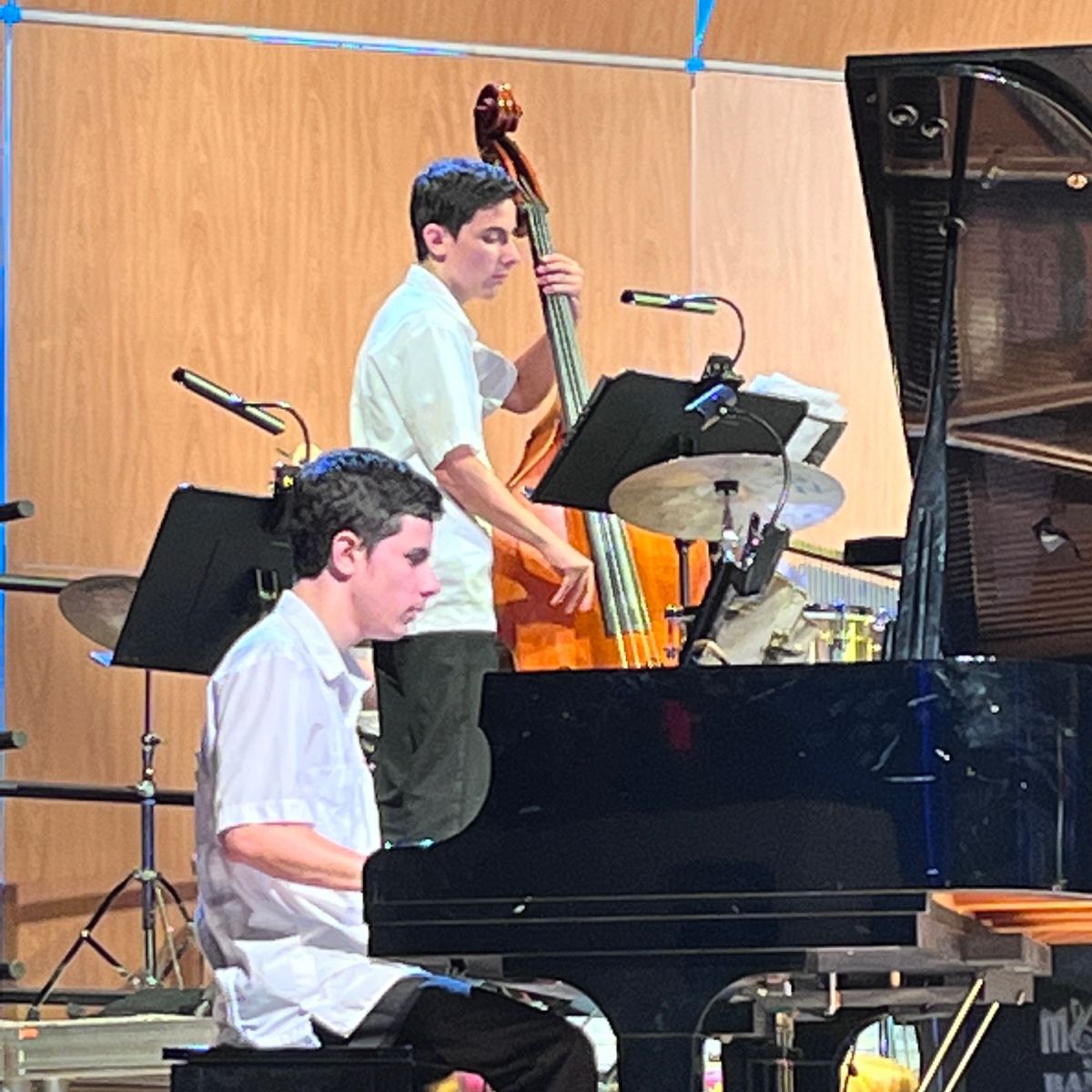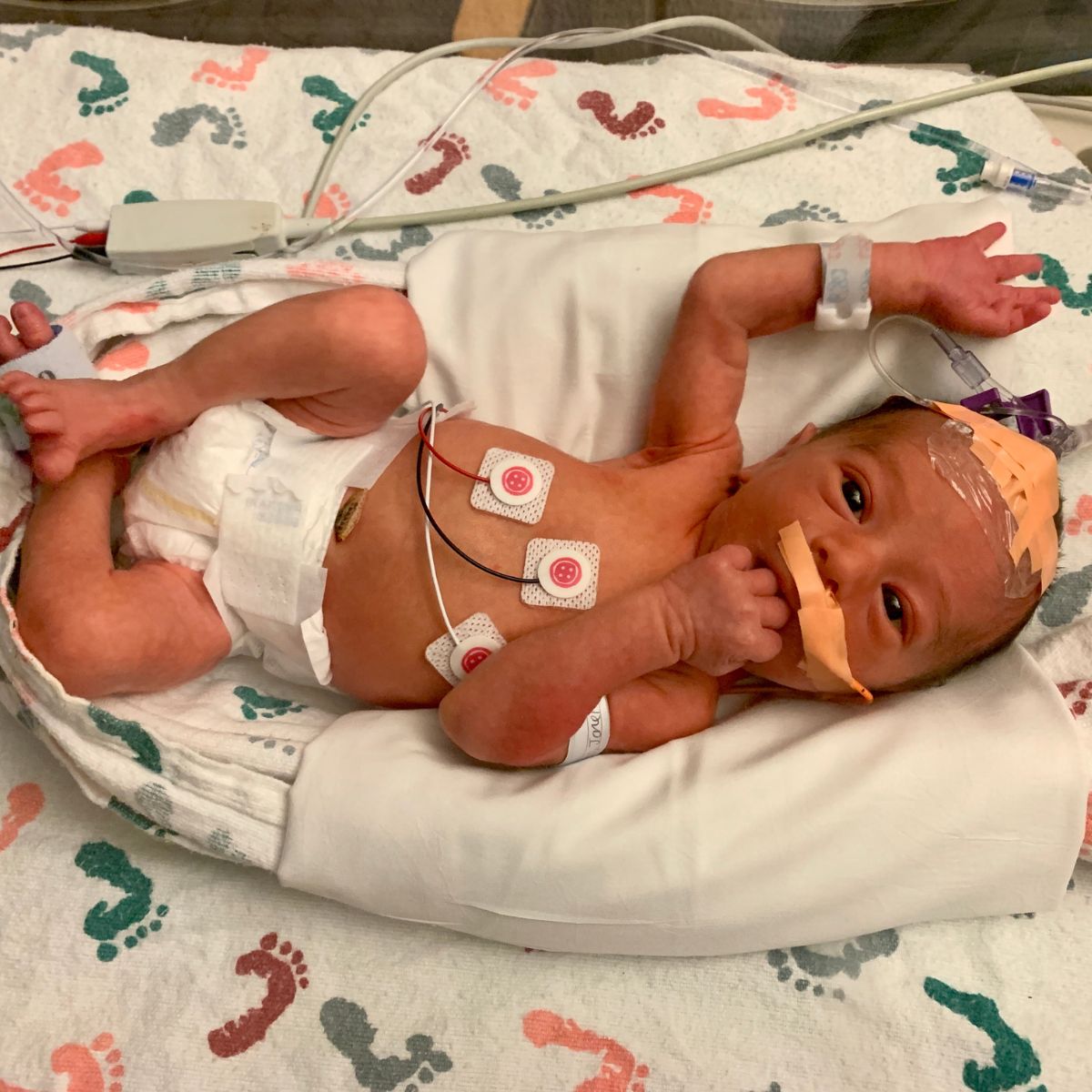
Cole was born at 33 weeks gestation, and initially did well in the NICU. However, on day four, Cole’s parents could tell that something was wrong. The next day, Cole was diagnosed with NEC.
Cole was treated for NEC immediately, and after three very scary weeks of antibiotics, Cole recovered from NEC. He is now a thriving 6-year-old.
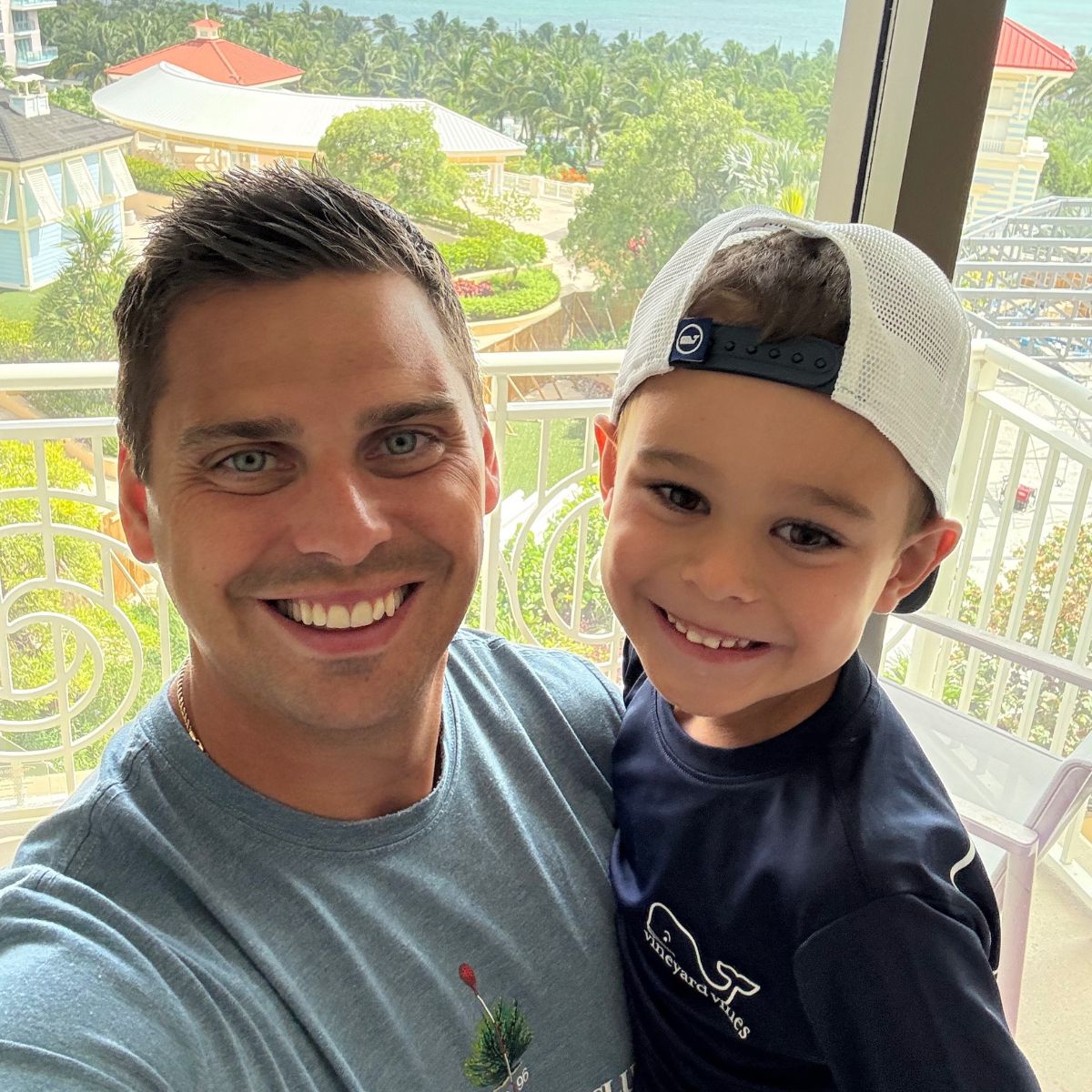
Freddie was born at 29 weeks gestation and developed NEC at two weeks old. After a long hospitalization, Freddie made it home to his loving family. That is when Freddie’s journey with the long-term outcomes of NEC began.
Today, Freddie has extreme short bowel syndrome, is reliant on parenteral nutrition, and has been diagnosed with cerebral palsy, global developmental delay, autism, language processing disorder, sensory processing difficulties, and visual impairment. Freddie, who is now nine years old, will live with the devastating consequences of this disease forever.
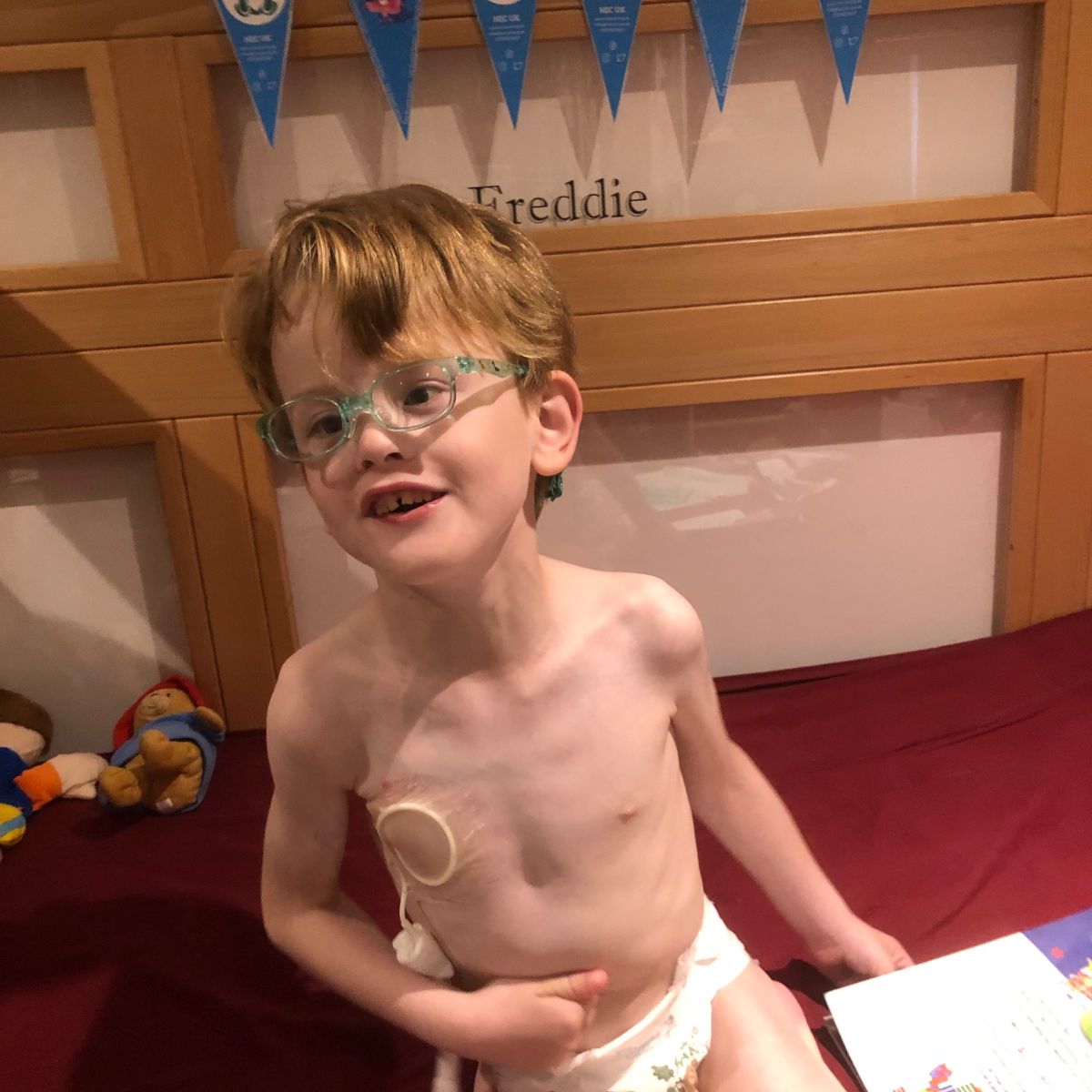
Baker and his twin brother were born prematurely at 32 weeks and 3 days gestation. Baker initially did well in the NICU, and his loving family was close to bringing their babies home. When Baker was about a month old, he had blood in his stool, which can be a warning sign of NEC. Baker received X-rays and was diagnosed with necrotizing enterocolitis (NEC).
Over the next 48 hours, Baker became very sick very fast. He needed emergency surgery. The surgeon told Baker’s parents that this was one of the most severe cases of NEC he had ever seen. Baker’s parents were asked to prepare themselves for the devastating possibility that Baker might not survive.
Baker made it through his first surgery, but he was not improving. He then endured a hospital transfer and three more surgeries to remove all of the necrotic tissue.
Thankfully, Baker survived NEC. Today, Baker is almost one year old. He has some kidney damage, but he is doing well with his loving family.
Ahmaari was born at 25 weeks gestation and given less than a 30% chance of survival. For months, she beat the odds, growing and hitting milestones in the NICU. By the fourth month, Ahmaari was close to going home. By the fifth, her mother, Necole, sensed something was wrong. Necole pleaded for the care team to take a closer look and was dismissed multiple times until a nurse finally agreed something was wrong. Ahmaari was diagnosed with NEC and was rushed into emergency surgery.
Ahmaari has experienced long-term complications from NEC her whole life. Today, with her mother’s support, she is on a mission to tell her story.

Riley and Olivia, twin sisters, were born prematurely at 27 weeks gestation. They thrived the first two weeks of their lives in the NICU until Riley developed NEC. After undergoing emergency surgery, Riley was left with 15 cm of functional small intestine and 10 cm of colon. Just two weeks later, Olivia developed NEC. Fortunately, she recovered without the need for surgery.
Four years later, Riley and Olivia have made incredible strides. Riley has short bowel syndrome and depends on TPN and a feeding tube for most of her nutrition, but she doesn't let that hold her back from enjoying her favorite foods! Both Riley and Olivia are enjoying preschool, dance classes, and soccer.

As an infant, Sophie was diagnosed with necrotizing enterocolitis (NEC) and wasn’t expected to make it through her first surgery, but thankfully, she did. Sophie spent months in the hospital battling septic meningitis, respiratory issues, and complications from NEC. As a child and teenager, she had frequent stomach pain and malabsorption because of her shortened bowels. But Sophie has never let these complications from NEC stand in her way.
Because NEC has shaped her entire life, Sophie is now dedicating her career to helping others. She is a certified nursing assistant, helping care for children while she completes nursing school.
Sophie wants everyone to know that NEC does not end after the NICU. We urgently need to advance research, raise awareness, and provide better care and resources for survivors and families affected by NEC.

Charlie and Bobby, twins, both developed NEC overnight. They both endured multiple surgeries, ostomies, and transfusions just to survive.
Though Charlie and Bobby eventually left the NICU, NEC has left a lifelong mark on their bodies and on their lives. Now, as the twins approach adulthood, they continue to live with the devastation of this disease.