Premature infants in the US have been without the protective benefits of probiotics since the FDA’s Warning Letter in September of 2023 and the subsequent voluntary recalls.
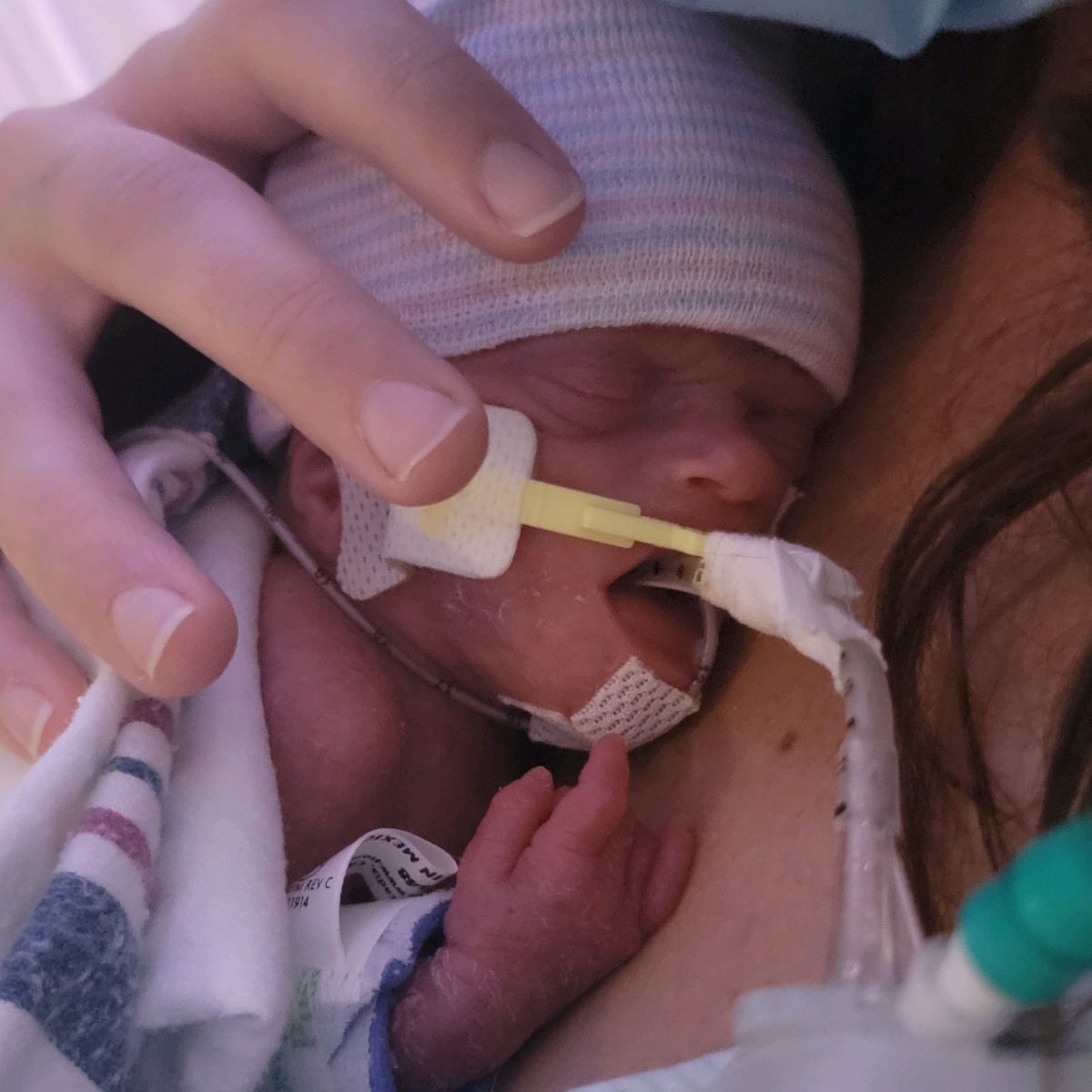
Remy
Despite supporting evidence, the protective benefits of probiotics remain inaccessible to preemies in the United States.
The current prevention and treatment options for NEC are inadequate and failing our community. Although more research is urgently needed to fully understand and eliminate NEC, current evidence demonstrates that key care practices can help protect against NEC. Research has demonstrated that probiotics may be an effective tool to help prevent NEC and death in very low birth weight infants.
Nora, who tragically passed away from NEC
FDA Warning Letter
Premature infants in the US have been without the protective benefits of probiotics since the FDA’s Warning Letter in September of 2023 and the subsequent voluntary recalls. It has been nearly three years, and more premature infants in the US are dying as families wait for an FDA-approved, live biotherapeutic product for NEC.
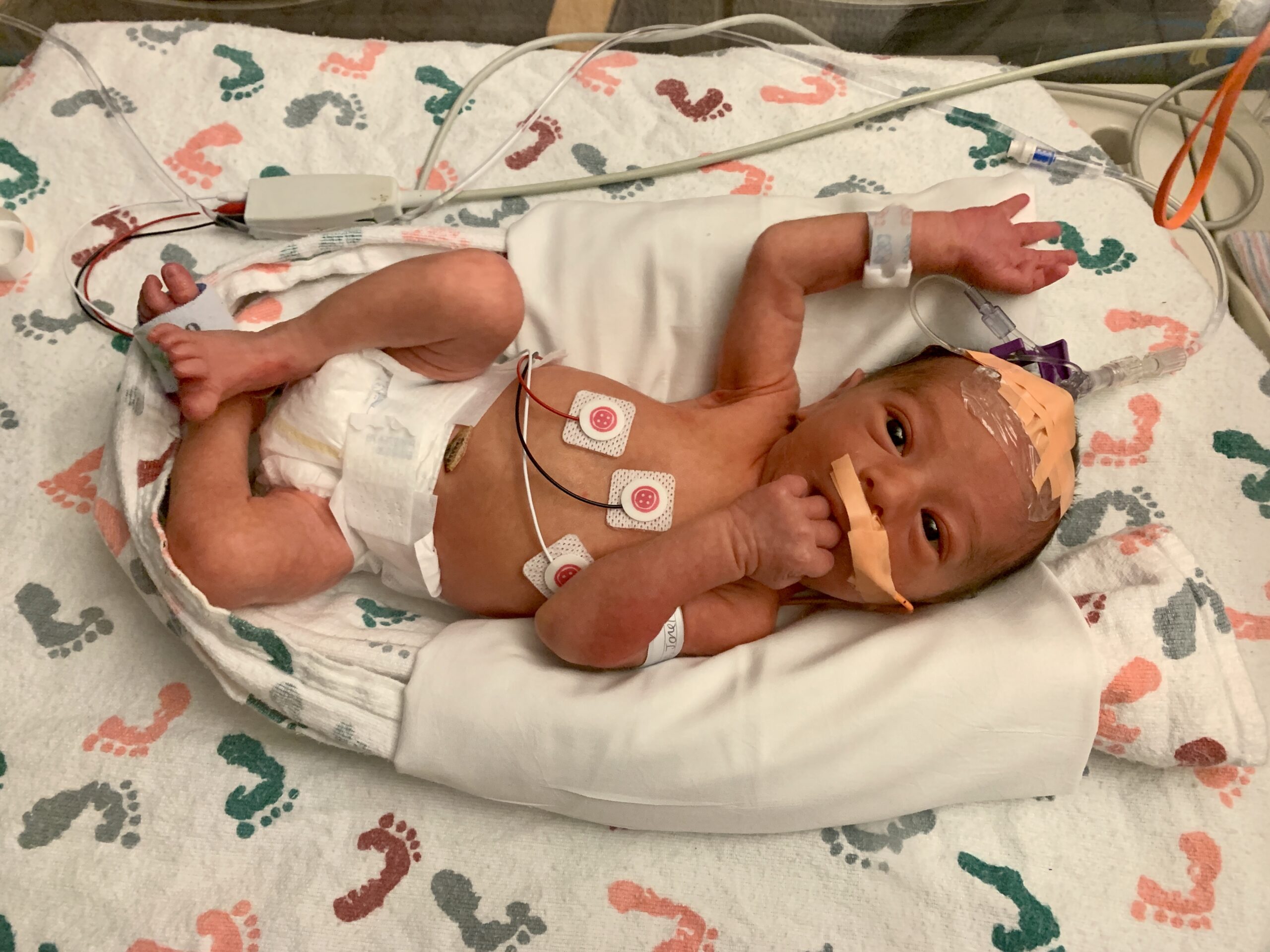
Cole, who developed NEC in the NICU
Probiotics Help Protect and Prevent NEC—but not in the US today
Research continues to demonstrate that probiotics are an effective tool for protecting against the risk of NEC and death in Very Low Birth Weight (VLBW) infants.
In the NICU, families need access to evidence-based information so they can serve as partners in their child’s care. Families must be integrated as the most important members of their child’s care team. Communication is essential. Families in the NICU need and want information so they can participate in their child’s care 1.
Rex, who tragically passed away from NEC
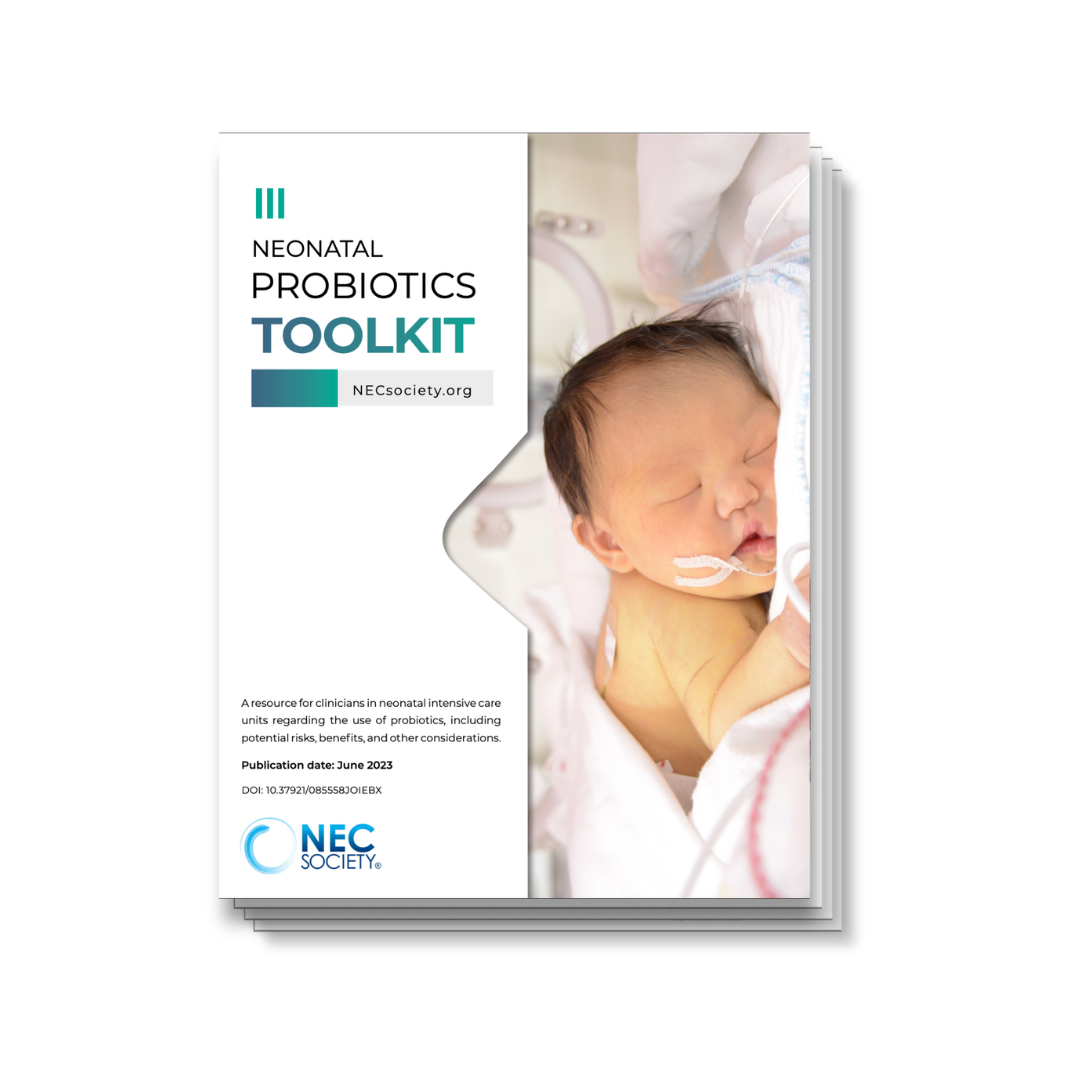
Neonatal Probiotics Toolkit
Prior to the FDA’s Warning Letter in 2023, the NEC Society published the Neonatal Probiotics Toolkit, a resource for NICU clinicians seeking to better understand probiotic use. The Toolkit includes a comprehensive review of the available evidence, guidance from worldwide professional organizations, and tips, tools, and communication strategies for healthcare teams and patient-families to help navigate the potential risks and protective benefits of probiotics for VLBWs.
NICUs worldwide 2 routinely use probiotics as a strategy to protect against the risk of NEC and death in premature infants.
Collaboration among clinicians, scientists, industry, the FDA, and families is urgently needed to provide access to an approved probiotic with evidence of safety and efficacy. Within a regulatory pathway, the NICU-level decision on whether to adopt probiotic therapy should involve NICU family advisors, and clinicians should be prepared to share information with NICU parents who seek a better understanding of this therapy.
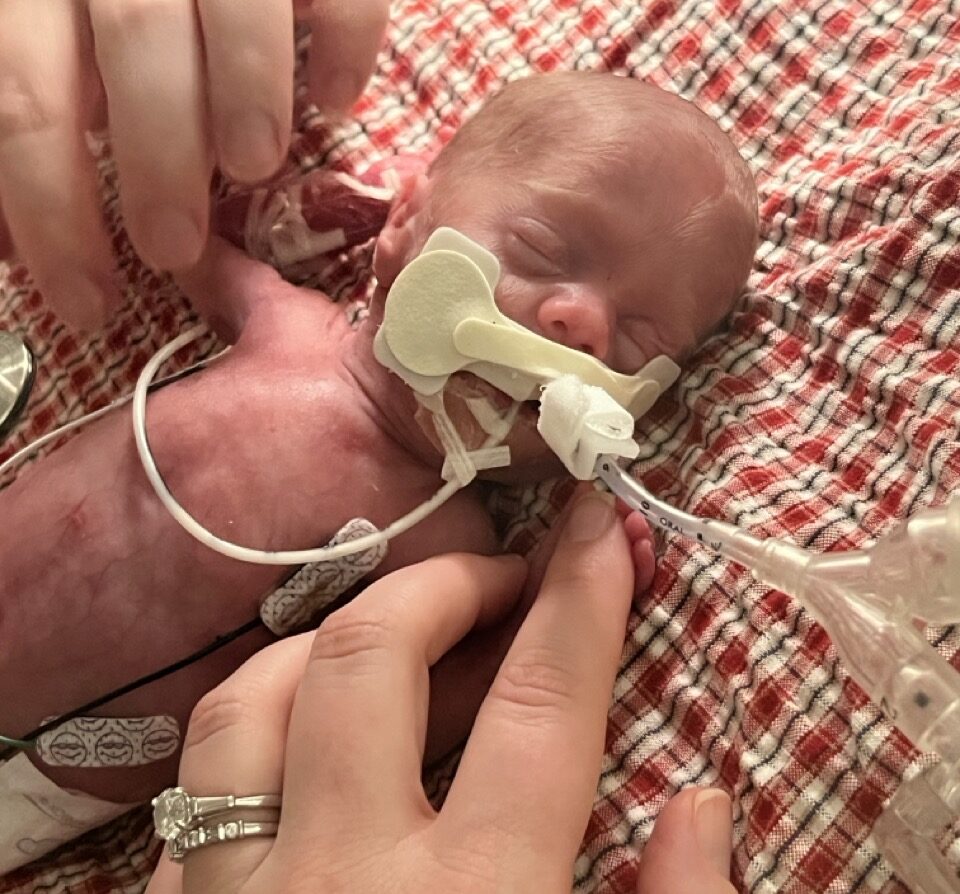
Ahmaari, who developed NEC in the NICU
As we wait, premature infants are dying.
The NEC Society urges the FDA to establish a regulatory pathway for US centers to access probiotics with established efficacy and safety, with guidelines and consistent practices. Following such a pathway, local data surveillance should be used to assess the impacts of probiotic supplementation on outcomes such as NEC and potential adverse events, including uncommon infections from the probiotic organism or the rare possibility of product contamination.
Cash, who tragically passed away from NEC
Jennifer holding her son, Micah, who tragically passed away from necrotizing enterocolitis.
Integrating science with the power of families is fundamental to the NEC Society’s vision of building a world without NEC.
Patient-families intimately understand the devastating impacts of NEC and recognize the urgency of this work.
Given the menacing nature of NEC and the current science, the NEC Society urges the FDA, centers, professional associations, and clinicians to integrate families into the decision-making process regarding the use of probiotics in preterm infants.
Importantly:
Within a regulatory pathway, probiotics should be considered as a strategy to help protect against the risks of NEC and death in very low birth weight infants (VLBWs).
There is a growing awareness of probiotics due to marketing, media coverage, and research. Accordingly, families of VLBWs should be better informed about the potential risks and protective benefits of probiotic use to prevent NEC and death.
Within a regulatory pathway, clinicians should be prepared to help parents understand their unit’s rationale for offering or not offering probiotics in their NICU.
Detailed implementation and careful data collection are essential for continuously tracking and understanding the effects of probiotic use and the current lack thereof.
The NEC Society is driven by science and fueled by families who carry the lifelong devastation of necrotizing enterocolitis. It is imperative that we continue to advocate for access to safe and effective therapies that can help us protect all infants from this cruel disease.